Black Ops Field Insight Manual - Special Forces Black
14 sold in last 24 hours
This black ops field insight manual presents controversial military-style incendiary material through a serious, technical lens. Designed like a SPECIAL FORCES field guide, it lays out systems, tools, and historical methods with illustrations and structure rather than hype. This is reference material for adults who prefer to understand, not romanticize, hazardous subjects. If you study tactics, military history, or threat dynamics, this compact black paperback helps you learn with clear organization and a strong respect for how dangerous these topics truly are.
Turning Information Into Responsibility
There’s a big difference between curiosity and recklessness. If you’re looking at a book like this, you’re probably in the first camp: someone who wants to understand hazardous subjects, not glamorize them. The Black Ops Field Insight Manual - Special Forces Black is styled as a SPECIAL FORCES technical book on incendiary systems and materials, and that appearance matters. It signals what this really is: structured, reference-style information for adults who believe that understanding risk is part of managing it.
This is not light entertainment. It’s a compact, illustrated manual that treats incendiaries as serious, dangerous topics. For researchers, students of military history, preparedness enthusiasts, or anyone studying how threats are built so they can be better countered, this book functions as a sober, organized guide.
What This Incendiary Manual Actually Is (and Isn’t)
Despite the intense cover, this is, at its core, a technical reference book. Across 155 pages in a portable 5.5" x 8.5" paperback format, it moves through chapters on:
- Incendiary systems, tools, and techniques presented in a manual-style layout
- Initiators and fuse concepts explained with drawings and diagrams
- Improvised string fuse and related timing approaches in contextual detail
- Incendiary materials such as improvised napalm-type mixtures and fire bottles, framed as technical matter
The tone is instructional and diagram-heavy, much like a government or military manual. That makes it valuable for people who want to understand how these systems are discussed, documented, and structured in a field-manual style environment.
What it isn’t: a toy, a dare, or a shortcut to skill. Reading about hazardous materials does not make someone competent, safe, or lawful in handling them. The most responsible way to approach a book like this is as contextual information only—not as a step-by-step instruction set for real-world use.
Why Someone Chooses a Book Like This
People reach for material like this for a reason, and it’s rarely thrill-seeking. Often it’s about clarity and understanding:
- Military and security enthusiasts want to see how special forces-style manuals present incendiary topics.
- Researchers and writers need grounded, technical detail to avoid clichés and inaccuracies in their work.
- Preparedness and risk-awareness readers want to understand what’s possible in the world so they can take reasonable, informed precautions.
- Collectors of controversial manuals appreciate the authentic field-manual aesthetic and concise layout.
In each case, the underlying motivation is similar: knowledge as a form of situational awareness. Understanding how incendiary systems are described and categorized can make you better at recognizing risk, evaluating claims, and distinguishing fact from exaggeration.
Inside the Special Forces-Style Layout
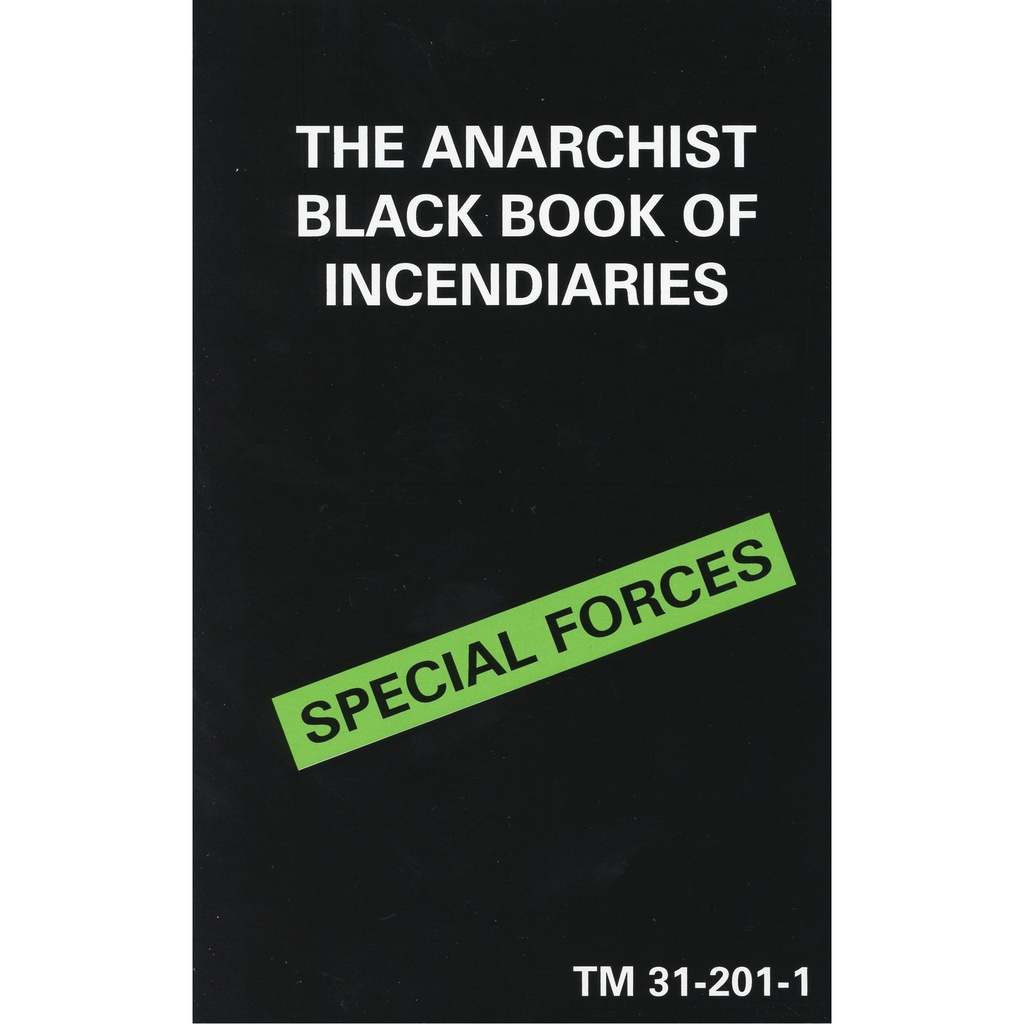
The design choices on the cover are intentional: the black background, bold white title, SPECIAL FORCES banner, and field-manual code all echo restricted technical documents. Inside, that theme continues in several practical ways.
Structured, Chapter-Based Organization
Content is broken into focused chapters—incendiary systems, initiators, fuse concepts, materials, and more. That structure gives you a clear mental map of how the subject is typically compartmentalized in a tactical or military context. If you’re studying methodology, that organization is as important as the individual details.
Illustrations That Clarify Concepts
Rather than dense text alone, the manual uses drawings and diagrams throughout its 155 pages. For visual learners, this makes it easier to understand the relationships between components, sequences, and effects. Again, this is about comprehension, not encouragement—seeing a schematic on paper is very different from attempting to build anything in real life.
Carrying, Storing, and Using This Information Responsibly
Because the subject matter is sensitive, how you handle the book itself matters. Treat it as you would any technical material with potential for misuse: with deliberate, thoughtful care.
- Discreet format: The 5.5" x 8.5" paperback size is easy to slip onto a shelf or into a bag without drawing attention.
- Private reading: This is best read in settings where you can reflect, highlight, and think without misunderstanding from people who might see only the cover, not your intent.
- Respectful storage: Keep it with other technical or research materials, out of reach of children or anyone likely to treat the content as a curiosity or challenge.
Your intent matters. Approaching this book as a study resource—rather than a stunt manual—keeps it aligned with responsible ownership.
Legal and Ethical Context: What to Keep in Mind
Laws governing materials, devices, and even certain types of information can vary by country, state, or municipality. While owning a book is generally protected in many places, it’s your responsibility to know what’s legal where you live and how your jurisdiction treats incendiary-related content and activities.
- Know your local laws: If you’re in the United States, regulations about explosive or incendiary devices, materials, and related conduct can exist at both state and federal levels.
- Differentiate reading from doing: There is a sharp legal and ethical line between understanding and attempting. This manual should remain in the realm of understanding.
- Use for analysis, not action: Researchers, writers, and security-minded readers often use books like this to better identify potential risks and to communicate more accurately about them.
If you choose to own this book, do so as someone who cares about knowledge, context, and responsibility, not as someone looking for an instruction set.
Questions People Ask About This Incendiary Manual
How technical is the content inside?
The tone is closer to a military field manual than to a popular-science book. It assumes an adult reader comfortable with diagrams, procedural descriptions, and references to tools, timings, and materials. That said, you don’t need a specific professional background to follow it—only patience, careful reading, and a respect for how serious the subject matter is.
Is it legal to own this kind of book?
In many regions, including much of the United States, simply owning written material—no matter how technical or controversial—is generally protected. However, laws differ by jurisdiction, and what you do with knowledge is a separate legal question. Before purchasing or storing a manual like this, it’s wise to review your local and national regulations and to keep your use firmly in the realm of study, analysis, or research.
Who is this book actually for?
This book is best suited for mature, intentional readers: people studying military history, threat assessment, or tactical methodology; writers and researchers aiming for accuracy; and collectors interested in the special forces manual aesthetic. If your goal is to understand how incendiary systems are framed and described on paper—not to replicate them—you’re the right audience.
Does reading this make me more prepared or just more anxious?
That depends on your mindset. For many people, understanding how something works—especially something dangerous—reduces mystery and exaggeration. This manual can help you see incendiary concepts as structured, defined, and bounded, rather than mythical or omnipotent. Approached calmly, it can support a sense of informed awareness instead of anxiety.
Owning This Book as an Act of Informed Awareness
Choosing to bring a manual like the Black Ops Field Insight Manual - Special Forces Black into your library is a statement about how you relate to risk: you prefer informed awareness over guesswork, and context over sensationalism. The book itself won’t make you an expert, and it certainly doesn’t obligate you to act on anything inside it. What it can do is give you a clearer mental picture of how hazardous incendiary topics are structured and discussed in a technical environment.
If you approach this material with respect, caution, and curiosity, it becomes one more tool in your broader understanding of the world—filed on the shelf alongside other complex subjects you’ve taken the time to study. That willingness to learn thoughtfully, rather than look away or sensationalize, is its own quiet form of strength.