Barracks Lifesaver Field-Ready First Aid Manual - Yellow Cover
14 sold in last 24 hours
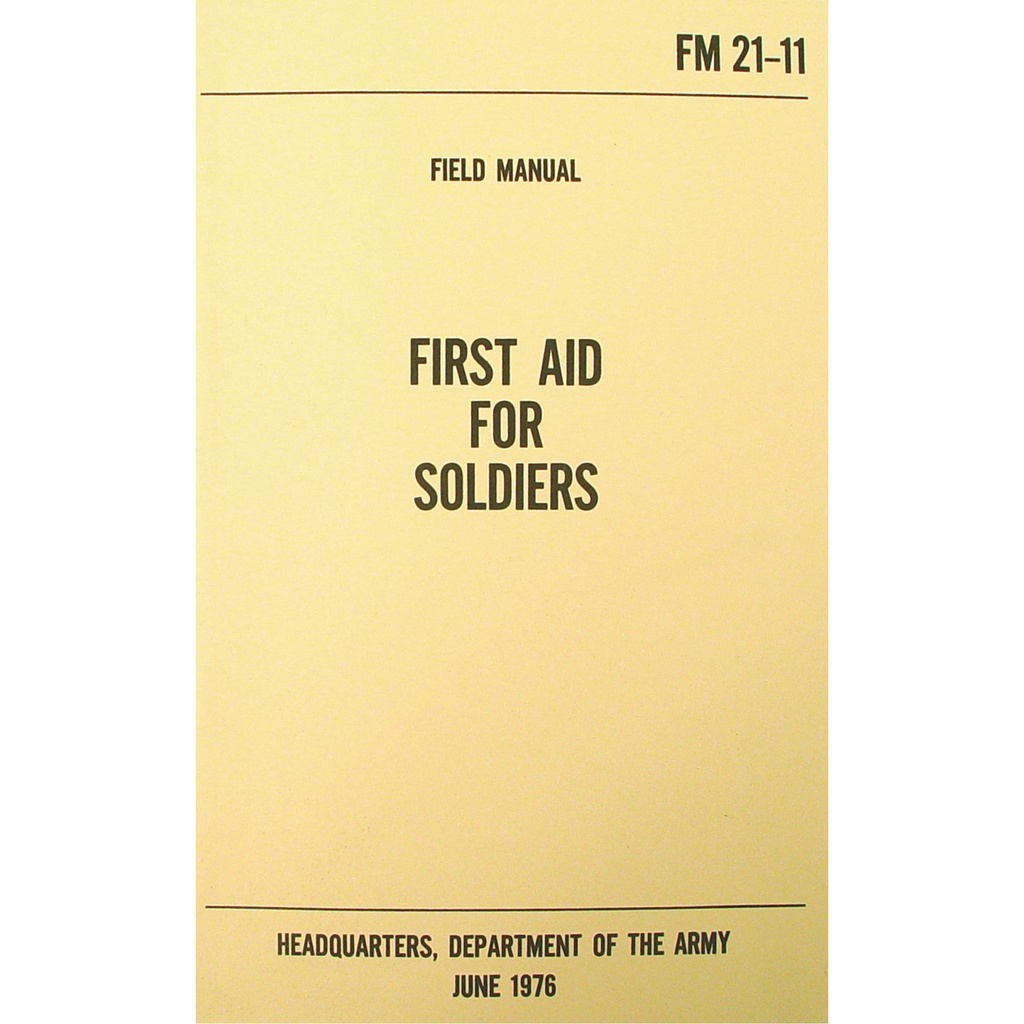
This field-ready first aid manual was built for real life, not display shelves. A faithful reprint of the U.S. Army’s “First Aid for Soldiers,” it walks you through bleeding control, burns, fractures, and shock in clear, step-by-step language. The bold yellow cover makes it easy to spot in a bag, barracks locker, vehicle, or range kit. Whether you’re training, building a go-bag, or just taking safety seriously, this compact guide helps you stay calm, focused, and prepared when it matters.
When First Aid Knowledge Becomes Your Quiet Advantage
There’s a kind of confidence that doesn’t shout. It shows up in small choices: building a kit, learning a skill, keeping the right guide within reach. That’s where the Barracks Lifesaver Field-Ready First Aid Manual - Yellow Cover fits in. It doesn’t promise to turn you into a medic overnight. Instead, it gives you something more realistic — clear, proven first aid steps you can follow under stress, drawn from the U.S. Army’s own field training.
This is the same style of first aid manual soldiers used to carry into environments where help might be minutes or hours away. Today, it belongs in your glove box, range bag, dorm trunk, or home emergency kit — anywhere you want solid, calm guidance when things go sideways.
Why a Field-Ready First Aid Manual Still Matters
Phones are great — until reception drops, batteries die, or your hands are too shaky to scroll. A field-ready first aid manual doesn’t depend on a signal or an app. It just waits, quietly, until you need it.
This reprint of the 1976 U.S. Army “First Aid for Soldiers” field manual was created for people who might have to act fast with limited supplies. The language is direct, the steps are structured, and the focus is always on what you can actually do with what you have. It’s not theory. It’s practical response.
Built for Real-World Use, Not Coffee Tables
Everything about this first aid manual is designed for function over flair.
High-Visibility Yellow Cover
The bold yellow cover isn’t an aesthetic choice — it’s a safety feature. In a cluttered pack, busy barracks room, or dark vehicle, that strong yellow stands out so you can grab it quickly. It’s easy to spot in a kit or on a shelf when seconds matter.
Official Military Field Manual Format
The clean, minimalist layout — black text, clear headings, and the original field manual designation — reflects a design meant for training and real-world reference. You’re not flipping through glossy pages or ads. You’re working with a straightforward, mission-focused first aid guide.
Inside, you’ll find step-by-step coverage of essentials like:
- Controlling bleeding and bandaging wounds
- Managing shock and monitoring vital signs
- Handling burns, fractures, and sprains
- Basic care for head, eye, and soft-tissue injuries
- Improvised care when standard gear isn’t available
How This Manual Fits Into Your Everyday Preparedness
Preparedness doesn’t have to be dramatic. Often, it looks like small, thoughtful upgrades to your normal routines. This first aid manual slides into those routines without demanding much space — or attention — until you need it.
Compact Enough to Go Where You Go
The softcover format makes it easy to pack into:
- A vehicle glove box or center console
- A range or training bag
- A dorm or barracks footlocker
- A home emergency bin or first aid station
It’s light enough that you won’t hesitate to include it, and substantial enough to cover more than just the basics. That combination makes it ideal for people building a realistic, livable preparedness setup — not a showpiece.
What Makes a Military First Aid Manual Different?
This isn’t a coffee-table health book. It’s a reprint of a U.S. Army field manual originally written to teach soldiers how to respond to injuries when professional help might be delayed. That purpose shapes everything inside.
- Clarity under stress: Instructions are broken into logical steps, designed to be followed even when adrenaline is high.
- Resourcefulness: Guidance leans toward using what you have — bandages, clothing, simple tools — not exotic gear.
- Priorities that make sense: Airway, breathing, circulation, bleeding, shock — the same fundamentals that still guide modern first aid.
While medical knowledge continues to evolve, the core principles in this manual remain deeply relevant: control bleeding, protect the airway, prevent further harm, and get help moving. For many safety-minded people, it becomes a solid starting point for their first aid education and a reliable backup to more modern resources.
Using a First Aid Manual as a Confidence Tool
You don’t need to memorize every page to benefit from this manual. Think of it as a calm, experienced voice you can lean on when your own mind feels overloaded.
One powerful way to use it:
- Skim key sections when you first get it — bleeding, burns, fractures, shock.
- Mark those pages with tabs or sticky notes for faster access later.
- Keep it stored with your primary first aid kit so everything is in one place.
That simple prep means that if you ever find yourself helping someone who’s hurt, you’re not starting from zero. You’ve already seen the material, and you know exactly where to look.
Questions People Ask About This First Aid Manual
How in-depth is the information?
This manual goes well beyond a simple checklist card. As a reprint of the Army’s “First Aid for Soldiers” field manual, it walks through assessment, injury types, and step-by-step care in enough depth to support both training and real-world reference. It’s not a replacement for professional medical training, but it’s a strong, practical guide for laypeople who want more than a bandage diagram.
Is the information still useful today?
Yes, many of the fundamentals in this manual are timeless: stopping bleeding, stabilizing fractures, positioning an unconscious person, recognizing shock, and protecting the injured from further harm. Modern guidelines have evolved in some areas, so this works best as a foundation and a backup. Many preparedness-minded people pair it with up-to-date training or a more current quick-reference card, using this field manual for deeper context and step-by-step structure.
Who is this first aid manual best for?
This manual serves anyone who wants honest, practical first aid knowledge without fluff. That includes military enthusiasts, range and training communities, college students building their first real emergency kit, parents stocking vehicles, and anyone who prefers physical references over purely digital tools. It’s also a strong fit for people rebuilding their sense of readiness after a close call — those who don’t want to live in fear, but do want to feel more capable next time.
Can this manual replace a full first aid course?
It’s a powerful companion, not a substitute. Reading through the manual and keeping it close by will absolutely increase your understanding and your options in an emergency. Pairing it with a first aid or basic trauma course, however, turns the information into muscle memory. In many ways, this book shines brightest after training, when you use it as a refresher and a calm reference point.
How should I store this manual for quick access?
Store it where you’re most likely to need it — and where you can see that yellow cover at a glance. Common setups include:
- Tucked beside a first aid kit in your home or garage
- In a vehicle emergency kit, paired with bandages and basic supplies
- In a range bag or gear locker for training days
- On a shelf or in a drawer near where your family gathers
The goal is simple: when something happens, you don’t need to think about where it is. Your eyes go straight to the yellow, and your hands do the rest.
Owning This Manual as a Quiet Statement of Readiness
Adding the Barracks Lifesaver Field-Ready First Aid Manual - Yellow Cover to your gear isn’t about bracing for the worst. It’s about acknowledging that life happens — and choosing to meet it with a little more skill, clarity, and calm.
You’re not just buying a book. You’re giving yourself a structured way to respond when someone needs help and you’re the person standing there. You’re building a small, quiet kind of confidence that says, “I may not know everything, but I know where to start.”
That’s what real preparedness looks like: not fear, not drama — just the steady, earned assurance that you’ve taken a practical, genuine step toward being ready.