Fieldwise Confidence Land Navigation Manual - Field Tan
9 sold in last 24 hours
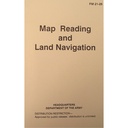
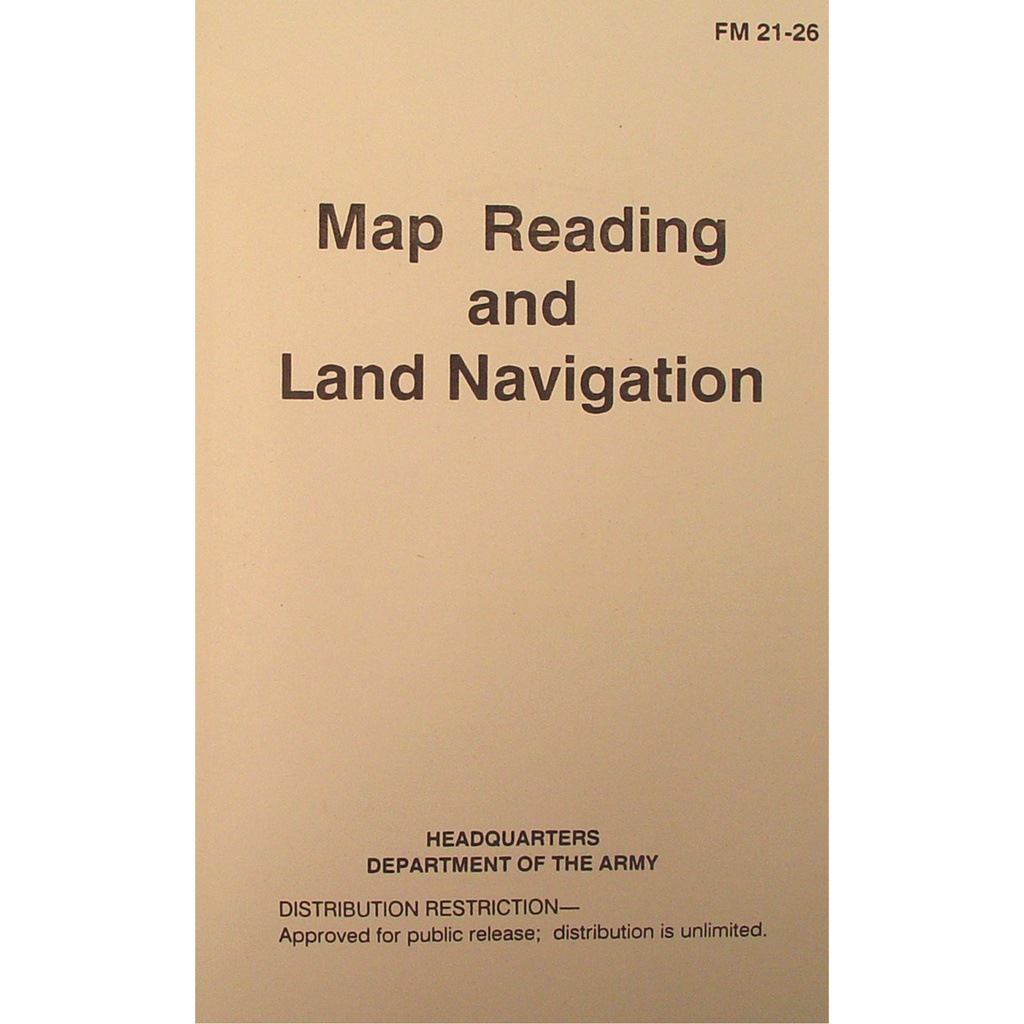
Getting lost is unsettling—knowing exactly where you stand is power. The Fieldwise Confidence Land Navigation Manual turns map reading and land navigation into skills you can trust under pressure. Adapted from the U.S. Army FM 21-26, it walks you through grid coordinates, azimuths, terrain association, and pace count in clear, teachable steps. The field-tan, softcover design disappears into your pack but stands out when you need it most, whether you’re training a class, leading a team, or building your own backcountry confidence.
When Knowing Where You Stand Becomes Real Safety
There’s a different kind of calm that comes from being able to look at a map, read the ground under your boots, and know exactly where you are. The Fieldwise Confidence Land Navigation Manual - Field Tan is built for that moment. It doesn’t try to impress you. It quietly hands you the tools to make solid navigation decisions when phone batteries die, signals drop, or you’re teaching others to move with purpose in unfamiliar terrain.
Reprinted from the U.S. Army FM 21-26, this land navigation manual has one job: turn map reading from theory into a skill you can rely on. Whether you’re preparing for field exercises, leading a search and rescue training, or simply refusing to be dependent on a blue dot on a screen, this book is about practical, earned confidence.
Why This Land Navigation Manual Earns Its Place in Your Kit
Plenty of books explain maps. Far fewer are written to be carried, used, and trusted in the field. This manual is grounded in the same doctrine that has trained generations of soldiers to move safely and effectively across unknown ground.
Doctrine You Can Trust, Written for Real Terrain
Because it’s drawn directly from U.S. Army FM 21-26, you’re not guessing at whether the techniques work. Grid coordinates, azimuths, declination, resection, intersection—each method is laid out step by step, then reinforced with practical applications. It’s designed to be taught, practiced, and tested in real-world conditions, not just read once and shelved.
Field-Tan, Mission-Focused Design
The field-tan, text-only cover isn’t about aesthetics; it’s about purpose. It blends with rucks, training gear, and outdoor kits while staying easy to spot when you need it. The perfect-bound softcover lies flat enough to reference while you work through problems on a map, and it’s slim enough to ride inside a map case, range bag, or classroom binder without bulk.
From Map Reading to Confident Movement on the Ground
Navigation isn’t just about knowing how to read symbols; it’s about connecting what’s on paper to what’s under your feet. This land navigation manual bridges that gap with clear, structured progression.
Core Skills: Grid Coordinates, Azimuths, and Pace Count
You’ll move from basic map reading to practical land navigation skills in a way that builds real confidence:
- Grid coordinates: Learn how to pinpoint your position with precision, using military grid reference system techniques that transfer easily to civilian topo maps.
- Azimuths and bearings: Understand how to plot, convert, and follow azimuths so your compass work matches the map and the terrain.
- Pace count: Develop a reliable sense of distance on foot, including how to adjust for terrain, fatigue, and night movement.
Terrain Association: Reading the Ground with Confidence
The manual goes beyond straight-line navigation to teach terrain association—using hills, valleys, ridgelines, and man-made features to confirm your position and choose safer, more efficient routes. This is where navigation stops being abstract and starts feeling intuitive. You learn to trust not just your tools, but your judgment.
How to Carry and Use This Land Navigation Manual in Real Life
Like any serious safety tool, a land navigation manual only helps if it fits your routine. This one is built for everyday training, not just occasional reading.
- In the field: Slide it into a map case, side pocket, or admin pouch for quick reference during exercises and courses.
- In the classroom: Use it as a shared text for cadets, scouts, or students—its doctrine-based structure makes lesson planning straightforward.
- In your go-bag: Pair it with a compass and regional topo maps as your no-battery backup navigation system.
Because the content is standardized and clearly organized, it’s easy to assign specific chapters for pre-read, then reinforce them with practical drills outdoors. Over time, what starts as reference becomes muscle memory.
Effective Land Navigation as a Form of Personal Safety
While this isn’t a pepper spray for self defense or a physical deterrent, it supports personal safety in a different, equally important way: by helping you stay found, oriented, and in control of your movement. The ability to choose safer routes, avoid hazardous terrain, and navigate back to known points is a quiet, powerful layer of protection—especially in remote areas or during training scenarios.
For parents sending a student into ROTC, for leaders running outdoor programs, or for individuals rebuilding confidence in the outdoors, this land navigation manual offers something subtle but significant: the reassurance that you don’t have to rely solely on technology to stay safe and on course.
Questions People Ask About This Land Navigation Manual
How far does this land navigation training really take you?
This manual takes you well beyond basic map reading. It starts with fundamentals—map symbols, scales, and grid systems—and builds up to advanced skills like resection, intersection, route planning, and night navigation techniques. Used consistently with a compass and quality maps, it can take you from beginner to a level where you can plan, execute, and adjust routes confidently in varied terrain, day or night. In a training environment, it fully supports structured courses, qualification events, and ongoing refreshers.
Is this land navigation manual current and practical to carry?
Although it’s a reprint of U.S. Army FM 21-26, the core principles of map reading and land navigation haven’t changed. Grid systems, contour interpretation, azimuth conversion, and pace count remain fundamentally the same, which makes this manual highly relevant today. Its softcover, field-tan format is intentionally practical—lightweight, packable, and durable enough for repeated use in classrooms, field exercises, and personal training, without being so precious that you’re afraid to mark it up or stuff it into a ruck.
How do I use this manual effectively to build real confidence?
The most effective way to use this land navigation manual is as a bridge between reading and doing. Start by working through chapters in order, then immediately apply what you’ve read on an actual map with a compass in hand. Practice plotting points, shooting azimuths, and walking measured distances with your pace count. Gradually add complexity—varied terrain, low light, and timed routes. If you’re teaching others, assign sections as pre-study, then use field lanes or practical problems to reinforce each concept. Over time, the book becomes less of a reference and more of a record of skills you’ve earned.
Carrying Knowledge That Quietly Backs You Up
Preparedness isn’t only about tools you can hold; it’s about skills you can call on when things don’t go as planned. The Fieldwise Confidence Land Navigation Manual - Field Tan is a compact way to carry proven navigation knowledge—knowledge that keeps you oriented, intentional, and safer when you step off the pavement.
Owning this manual signals something important: you’re willing to invest in your own capability, not just your gear. Whether it lives in your ruck, on your desk, or in a training locker, it’s a reminder that you’re not at the mercy of technology or chance. You know how to find your way, and that’s a powerful form of protection.