Signal-Standard Rigging Safety Manual - Yellow Softcover
7 sold in last 24 hours
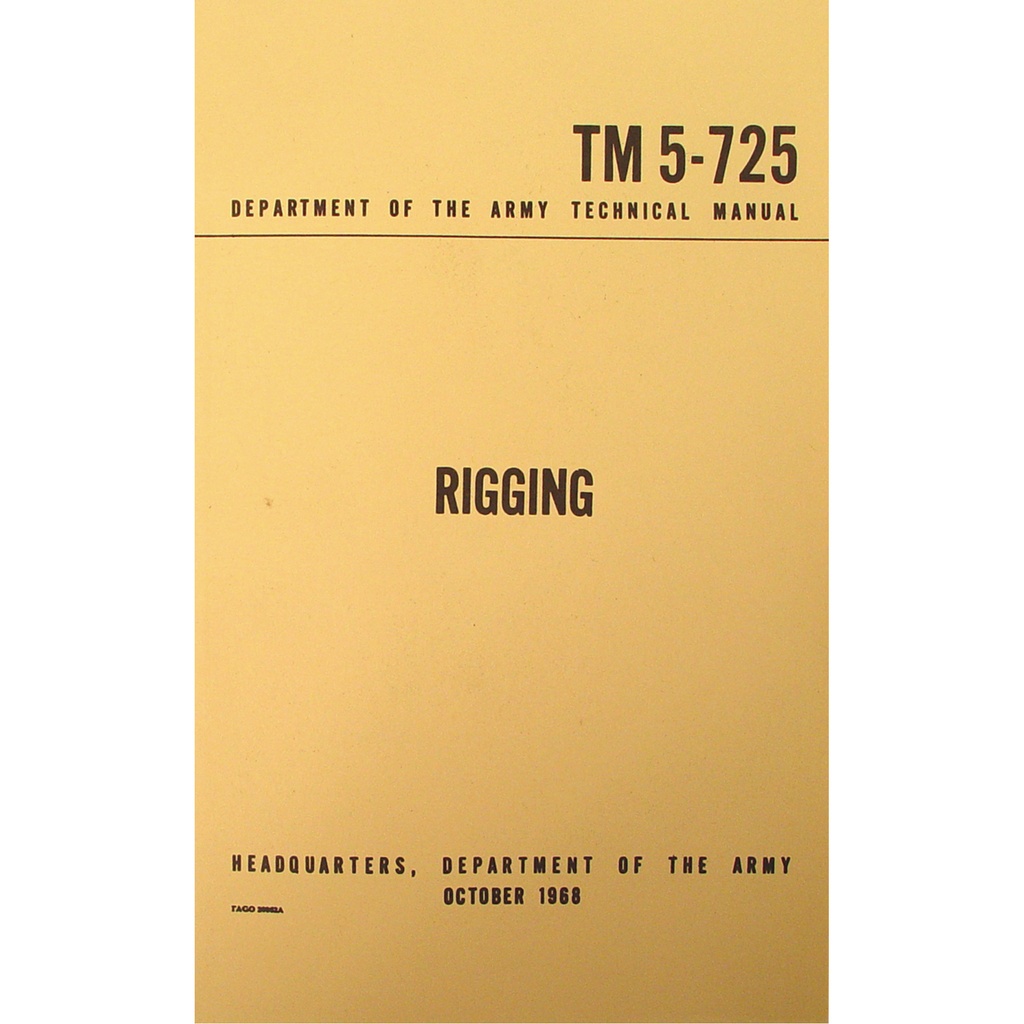
This rigging manual turns complex lifts into clear decisions. A faithful 1968 Army field reprint, it walks you through wire rope, chains, knots, hitches, splices, and practical safe‑load calculations in plain, worksite language. The signal‑yellow cover stands out on shop floors and in training rooms, so the standard is always easy to grab and apply. Whether you’re teaching new hands or validating a critical lift plan, this field‑proven rigging guide helps you choose the safest, most confident way to get the job done.
When Rigging Decisions Matter, Clarity Is Protection
On a busy job site or in a training bay, the safest person in the room isn’t always the strongest—it’s the one with the clearest information. The Signal-Standard Rigging Safety Manual - Yellow Softcover, a faithful 1968 Army field reprint, is built to give you that clarity. It doesn’t shout warnings or trade in fear. Instead, it quietly walks you through the fundamentals of safe rigging so you can look at a lift, a line, or a load and know what’s safe and what isn’t.
This isn’t a coffee‑table book. It’s a working rigging manual designed for shop floors, training rooms, and field crews who want reliable, repeatable decisions under pressure.
Field-Proven Rigging Guidance You Can Trust
Originally published as an official Department of the Army technical manual in October 1968, this rigging book carries a particular kind of confidence: it has already been tested in demanding, real‑world environments. The standards and methods inside were written for crews who could not afford guesswork.
Instead of vague advice, you get structured, practical guidance on the core rigging elements you work with every day:
- Wire rope: selection, inspection, and safe use
- Chains: grades, limitations, and common applications
- Fiber rope: knots, storage, and when to retire a line
- Knots, hitches, and splices: which to use and why
- Safe‑load calculations: quick, dependable methods that hold up under scrutiny
The result is a rigging safety manual that feels less like a textbook and more like a seasoned mentor—direct, clear, and always focused on keeping people and loads safe.
How This Rigging Manual Supports Everyday Safety
Safety in rigging is rarely about one dramatic moment. It lives in the everyday choices: which sling you grab, how you calculate a load angle, whether you recognize a worn component before it fails. This manual is designed to support those decisions in practical, usable ways.
Clear Structure for Real-World Reference
The content is organized so that crews and instructors can find what they need quickly. Sections on wire rope, chains, fiber rope, and knots are laid out logically, making it easy to jump to the topic that matches the work in front of you. Safe‑load calculation examples are presented so they can be followed and taught step by step—ideal for apprentices, safety meetings, or formal training sessions.
Confidence in Knots, Hitches, and Splices
Improvised rigging is where many jobs drift into risk. By giving you clear illustrations and explanations of standard knots, hitches, and splices, this manual replaces guesswork with known, proven techniques. That means fewer “I think this will hold” moments and more “I know this method, and I know what it’s rated for.”
Designed to Be Seen, Kept Close, and Actually Used
The signal‑yellow cover is not an accident. In the noise and clutter of a working environment, visibility is its own form of protection. This manual is easy to spot on a bench, shelf, or job‑box, which means the standard is never far from reach.
- High‑visibility cover: quickly locate the manual when you need an answer.
- Softcover format: practical for shop and field use—easy to carry, easy to keep open.
- Plain, direct language: written for working crews, not academics.
Trainers can keep it open during instruction. Foremen can refer to it while planning lifts. New hands can study it between jobs to build a solid foundation in rigging safety.
Why This 1968 Reprint Still Works for Modern Crews
Rigging fundamentals haven’t changed: gravity is still gravity, and a line under tension behaves the same today as it did in 1968. What has changed is the expectation that crews work to clear, documented standards. This manual helps you meet that expectation.
As a reprint of an Army technical manual, it offers:
- Consistent methods: repeatable procedures you can train and audit against.
- Shared language: a common reference for supervisors, trainers, and crews.
- Documented calculations: safe‑load examples you can follow and adapt.
Many teams keep modern regulations and this kind of technical manual side by side—one defines compliance, the other shows you how to work safely in the field, step by step.
How to Get the Most from This Rigging Manual
Owning a good reference is one thing; putting it to work is where the real value shows up. Here are practical ways to integrate this rigging safety manual into your routines:
On the Shop Floor or in the Yard
- Keep a copy at the crane, hoist, or rigging rack so questions can be answered on the spot.
- Use the wire rope and chain sections as a quick verification tool when selecting gear for a lift.
- Open the safe‑load calculation pages while planning complex or angled lifts, so numbers and assumptions are written, not guessed.
In Training Rooms and Tool-Box Talks
- Build short lessons around the knots, hitches, and splices section—demonstrate, then let crews follow along.
- Assign specific pages as pre‑training reading for new hires to give them a baseline of rigging safety knowledge.
- Use the manual as a neutral reference when standardizing practices across multiple crews or shifts.
Questions People Ask About This Rigging Manual
How detailed is this rigging manual?
This is a full technical manual, not a quick pamphlet. It covers core rigging topics—wire rope, chains, fiber rope, knots, hitches, splices, and safe‑load calculations—with enough depth to support both training and day‑to‑day decision‑making. The intent is practical: to help you understand how and why loads are moved safely, not just list rules.
Is this manual current enough for today’s safety standards?
As a 1968 Army field reprint, the manual reflects the rigging fundamentals and practices of its time. Those fundamentals—how loads, angles, and hardware behave—remain valuable today. For a complete safety program, most teams pair this kind of field‑tested reference with current regulations and site‑specific policies. Think of it as a strong foundation for technique and understanding, used alongside your latest codes and standards.
Who is this rigging manual best suited for?
This manual serves several groups well: riggers and operators who want a solid, no‑nonsense reference; trainers building or refreshing rigging courses; and safety leaders who want a common technical baseline for their crews. It’s also useful for apprentices who learn best from concrete examples and straightforward explanations rather than theoretical overviews.
Does the signal-yellow design really make a difference?
Visibility may seem small, but in practice it matters. A high‑visibility, signal‑yellow cover means the manual is easier to locate in a busy space, which makes it more likely to be used in the moment instead of after the fact. When information is easier to reach, safer choices become part of the normal workflow.
A Small Book That Adds Up to Safer Lifts
Every safe lift, every well‑planned rigging setup, and every time a crew member stops to double‑check a calculation is a quiet win. The Signal-Standard Rigging Safety Manual - Yellow Softcover is built to support those wins. By putting clear, field‑proven information in reach—wire rope, chains, fiber rope, knots, hitches, splices, and practical safe‑load calculations—it helps you turn experience, training, and standards into confident, everyday practice.
Whether you’re leading a crew, teaching the next generation, or simply taking your own rigging skills seriously, this manual is a practical way to back up your judgment with documented, time‑tested guidance. It doesn’t replace your expertise; it sharpens it—so when it’s time to move the load, the safest choice feels obvious.