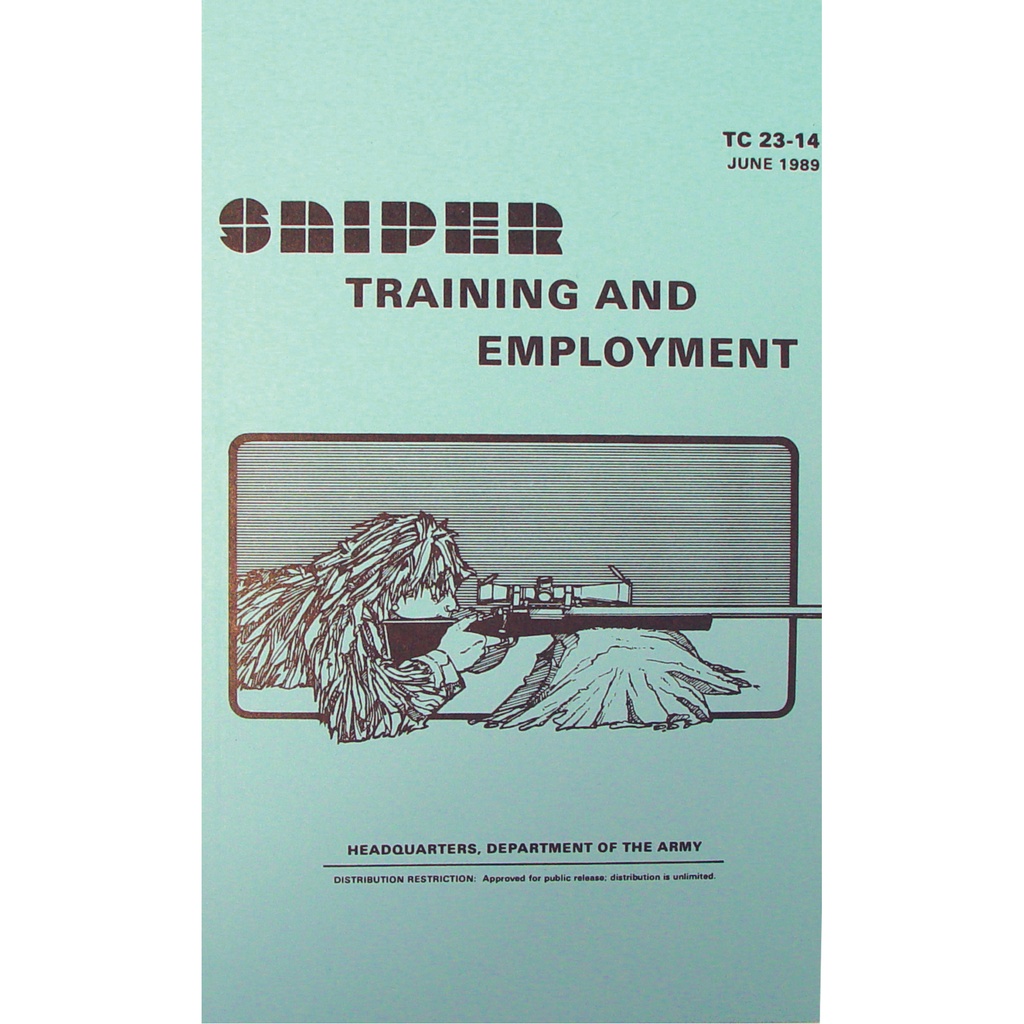
True Range Sniper Training and Employment Book - Teal Softcover
3 sold in last 24 hours
This sniper training and employment manual helps you think about distance, line of sight, and timing with the same clarity professionals use. While it doesn’t replace a personal defense tool like pepper spray, it deepens your understanding of real-world threat dynamics and cover, so your safety plan becomes more intentional. Clear doctrine, practical guidance, and calm, methodical instruction make this a strong companion resource for anyone serious about situational awareness and evidence-based personal protection.
From Uncertainty to Clarity in Personal Protection
Taking your safety seriously can feel overwhelming at first. You may be researching pepper spray, self defense tools, or better situational awareness and wondering what actually works. Sniper Training and Employment is not a pepper spray for self defense, but it is an authentic U.S. Army manual that teaches how professionals think about distance, line of sight, cover, and planning. Those same principles can quietly strengthen the way you approach everyday personal safety.
When you understand how trained observers assess terrain, timing, and movement, you’re better equipped to decide where you walk, how you carry pepper spray, and how you position yourself to stay aware without living in fear. This book offers disciplined, grounded knowledge that supports confidence, not anxiety.
How a Sniper Manual Supports Real-World Self Defense Thinking
Sniper doctrine might sound far from daily life, but the core ideas are highly relevant to anyone exploring pepper spray for self defense or other protective tools. The manual focuses on observation, planning, and using distance wisely. In practical terms, that means:
- Learning to notice sight lines and blind spots in parking lots, sidewalks, and building entries.
- Understanding how distance shapes options — including when a self defense tool like pepper spray would be effective.
- Thinking ahead about routes, cover, and exit points instead of improvising under stress.
Rather than amplifying fear, this sniper training resource gives you a language for what your intuition may already be telling you. It validates that paying attention to angles, lighting, and distance is not paranoia—it’s informed awareness.
Doctrine, Not Drama: What’s Inside This Army Training Circular
This is a faithful reprint of the U.S. Army Training Circular TC 23-14, originally published in 1989. It was written for commanders, instructors, and soldiers to train and employ infantry snipers effectively. You get the same clear, no-frills instruction professionals use—presented in straightforward, technical language.
Core Topics Covered
- Principles of marksmanship and steady shooting positions.
- Camouflage, concealment, and using terrain intelligently.
- Observation skills and target detection over distance.
- Planning, communication, and mission execution under pressure.
While the content is combat-focused, many of the mental models translate directly to civilian safety: know your environment, think in terms of angles and cover, and prepare intentionally rather than reactively. When combined with a practical tool like pepper spray for self defense, this mindset helps you use that tool more confidently and responsibly.
Applying Sniper Concepts to Pepper Spray and Everyday Carry
If you’re considering the best pepper spray for women, for college students, or for your own daily routine, this manual can help you think more clearly about when and how such a tool might realistically be used. It reinforces key ideas that work alongside any self defense plan.
Range, Distance, and Safety Zones
Sniper training is all about managing distance. When you own pepper spray, that same concept matters: most civilian sprays are effective within a limited range. Understanding how distance changes options helps you:
- Keep a natural buffer zone in public spaces when possible.
- Recognize when someone is closing distance too quickly.
- Decide where to carry pepper spray so you can access it before that zone collapses.
The manual’s emphasis on observing movement over time complements any study you do on how to use pepper spray effectively. You begin to see approach patterns, not just moments.
Cover, Concealment, and Smarter Positioning
One of the most useful crossovers from sniper doctrine to personal safety is the distinction between cover (something that can stop harm) and concealment (something that simply hides you). In everyday life, this might look like:
- Choosing well-lit, open walkways where you can see and be seen.
- Noticing which structures—a column, vehicle, or wall—could serve as real cover if you needed space.
- Positioning yourself in public places with clear sight lines and easy exits.
Paired with a reliable self defense tool such as pepper spray, these habits help you act earlier and more deliberately instead of waiting until your options shrink.
Building a Calm, Informed Safety Mindset
The tone of this sniper training and employment manual is methodical and calm. There is no sensational language, just doctrine. That restraint makes it a good fit if you want to deepen your understanding of threat dynamics without feeling overwhelmed.
As you read, you may notice shifts in how you think:
- You start planning routes with the same quiet intentionality you’d use to plan a long drive.
- You consider where a self defense tool like pepper spray sits in your bag or on your body and whether you could reach it under stress.
- You evaluate environments based on visibility, exits, and potential cover, not just convenience.
This isn’t about becoming hyper-vigilant; it’s about aligning your awareness with how trained professionals see the world, then dialing it in to a level that feels healthy and sustainable for you.
Questions People Ask About Using This Knowledge for Personal Safety
How far does this pepper spray reach?
This book does not include or ship with pepper spray, and it doesn’t specify pepper spray range—its focus is rifle ballistics and sniper employment. For civilian pepper spray, many common models reach roughly 8 to 12 feet, though some specialized units may reach farther. Always check your specific spray’s range and practice visualizing that distance in real-world settings. The distance concepts you learn in this manual can help you better understand and respect those limits.
Is this pepper spray legal to carry?
This product is a reprint of a U.S. Army sniper training circular—there is no pepper spray included. Pepper spray legality depends on your state and sometimes your city. Many U.S. states allow pepper spray for self defense with certain restrictions on size, OC concentration, or age. Before you buy or carry pepper spray, look up your state and local laws using official government or reputable legal resources. The disciplined approach encouraged by this manual—research, plan, verify—applies directly to staying compliant and informed.
How do I use pepper spray effectively?
The manual does not provide pepper spray deployment techniques, but the same principles of preparation and control apply. To use pepper spray effectively, you’ll want to:
- Read your specific product instructions carefully and note range and spray pattern.
- Practice your draw and grip with an inert trainer if available.
- Carry it in a consistent, accessible place—on a keychain, belt, or top of a bag pocket.
- Understand wind direction and avoid spraying into your own face.
What this sniper training resource adds is a deeper sense of environmental awareness: where you stand, what’s behind your target, and how distance shapes your decisions. That context can make any defensive tool, including pepper spray, part of a more thoughtful plan.
Owning Your Safety with Knowledge and Tools That Work Together
Choosing pepper spray for self defense, learning the best pepper spray for women or for your specific routine, and understanding how to carry it are all important steps. Pairing that with the calm, structured mindset taught in Sniper Training and Employment can give you a rare combination: practical tools in your hand and professional-grade awareness in your mind.
You are not expected to think like a soldier or a sniper. But you are absolutely entitled to clear, honest information about how distance, terrain, and observation affect safety. This manual offers that clarity. When you bring that knowledge into your daily life—alongside responsible choices about pepper spray and other self defense strategies—you’re not living in fear. You’re living prepared, with a quiet, earned confidence that your safety is something you actively shape.